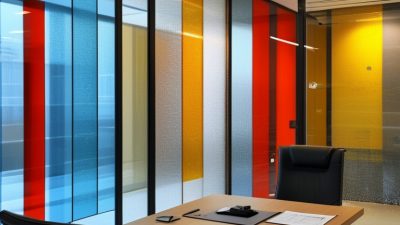
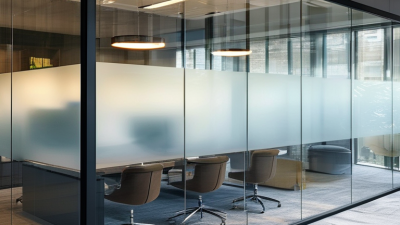
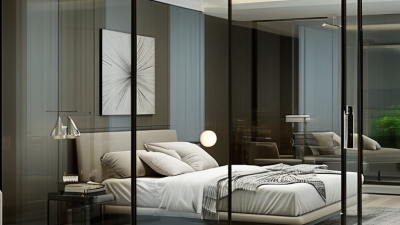
Choosing the best Office Glass Cubicles requires more than comparing attractive photographs. The right system should support privacy, daylight, teamwork, and daily comfort without making the workplace feel closed. Clear glass can spread natural light across a floor, while frosted bands can protect computer screens and private conversations. Frame finishes, acoustic seals, door hardware, and panel height also influence the final experience. Small details matter.
In real offices, performance often becomes clear after installation. A glass cubicle may look elegant but transmit more sound than expected. A sliding door may save space yet create maintenance concerns. Experienced designers examine room dimensions, traffic patterns, lighting, ventilation, and the work performed inside each enclosure. They also ask employees how the space feels during busy hours. That feedback is valuable, although it is not always easy to collect.
The best Office Glass Cubicles balance appearance with measurable usability. Look for durable tempered or laminated glass, reliable fittings, stable partitions, and documented safety specifications. Acoustic ratings should be reviewed carefully instead of accepted from marketing language. Not every premium product suits every office. A smaller company may need flexible modules, while a legal or financial team may require stronger visual and acoustic privacy. Even expert recommendations can miss something.
A thoughtful selection process leaves room for revision. Test samples, inspect hardware, and discuss future reconfiguration before signing a purchase agreement. The ideal result is not simply a bright glass room. It is a workplace that feels calm, practical, and trustworthy throughout the working day.
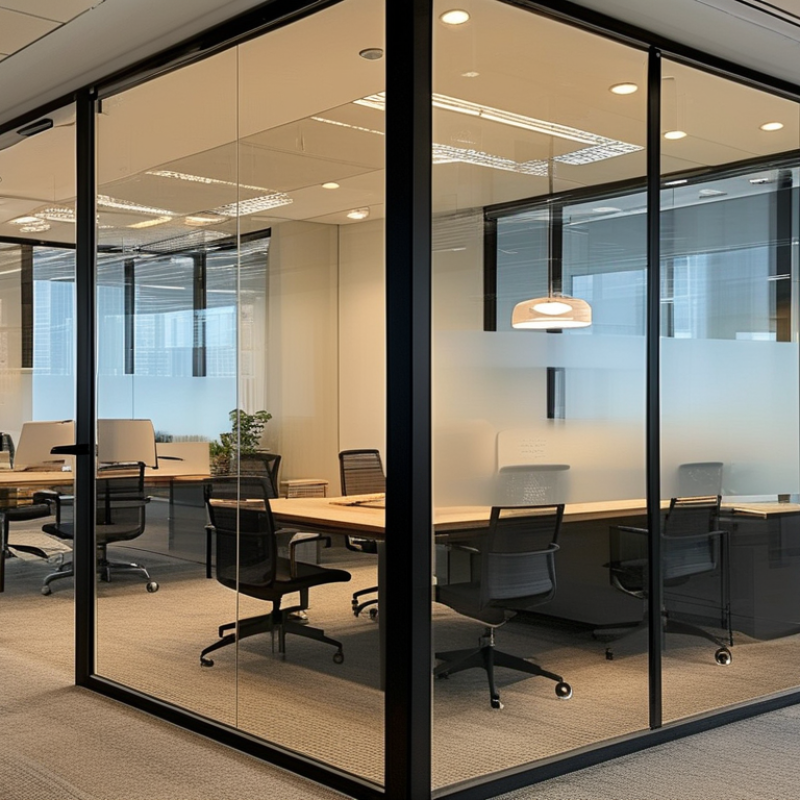
Office glass cubicles come in several practical forms. Framed glass cubicles use aluminum or steel profiles around each panel. They provide stronger impact protection and simpler cable management. Frameless systems create cleaner sightlines and admit more daylight. However, their edges need careful installation and regular inspection.
Single-glazed cubicles suit private desks, reception areas, and compact meeting zones. Double-glazed systems perform better where speech privacy matters. The air gap can reduce sound transfer, although glass alone is not an acoustic solution. Add ceiling absorbers, sealed doors, and soft flooring. ISO 3382-3:2022 provides measurement methods for speech privacy in open-plan offices. That standard is useful, but real performance depends on workmanship and room geometry. I would not overpromise.
Switchable glass cubicles change from clear to opaque when privacy is needed. They work well for interview rooms and shared offices, but electrical controls require maintenance. Frosted or patterned glass offers a simpler alternative. A 2023 global workplace report found that 87% of employees wanted greater choice in where and how they work. Flexible glass layouts support that preference without making offices feel closed. The U.S. Environmental Protection Agency also notes that indoor pollutant levels can be two to five times higher than outdoor levels. Therefore, sealed glass partitions should not replace proper ventilation. Airflow still matters. Regular cleaning, accessible fittings, and accurate acoustic testing often matter more than a stylish finish.
| Office Glass Cubicle Type | Typical Glass Specification | Main Features | Privacy Level | Acoustic Performance | Best Office Use |
|---|---|---|---|---|---|
| Frameless Glass Cubicle | 10–12 mm tempered safety glass | Minimal vertical framing, clean sightlines, modern appearance, and maximum visual openness. | Low to medium | Low to moderate; sound can pass through gaps and single glazing. | Open-plan offices, creative workspaces, and reception areas. |
| Framed Glass Cubicle | Single tempered or laminated glass in aluminum frames | Greater panel stability, defined module sizes, and convenient integration with doors and hardware. | Medium | Moderate, depending on glass thickness, seals, and frame design. | Standard private offices and departmental work areas. |
| Double-Glazed Cubicle | Two glass panes with an air space between them | Improved sound control, enhanced thermal separation, and a more substantial wall construction. | Medium to high | Moderate to high; performance varies with pane thickness, spacing, and perimeter seals. | Executive offices, meeting rooms, and spaces requiring reduced speech transfer. |
| Laminated Glass Cubicle | Two glass layers bonded with a plastic interlayer | Retains glass fragments after breakage and can provide better acoustic control than comparable monolithic glass. | Medium to high | Moderate to high, depending on the interlayer and overall assembly. | Private offices, conference rooms, and areas with enhanced safety requirements. |
| Switchable Privacy Glass Cubicle | Laminated glass with electrically controlled privacy film | Changes from transparent to translucent when powered, allowing adjustable visual privacy. | Adjustable | Similar to the underlying laminated glass; it is not a substitute for acoustic glazing. | Medical consultation rooms, boardrooms, legal offices, and multipurpose rooms. |
| Frosted or Etched Glass Cubicle | Tempered or laminated glass with acid-etched, sandblasted, or patterned surfaces | Diffuses light, reduces direct visibility, and offers permanent visual privacy without electrical controls. | Medium to high | Low to moderate unless combined with laminated or double glazing. | Human resources offices, consultation spaces, and focused work areas. |
| Half-Height Glass Cubicle | Typically 10–12 mm tempered glass above a solid or desk-height base | Balances daylight and collaboration with partial separation and reduced material use. | Low to medium | Low; the open upper section allows sound to travel easily. | Team neighborhoods, call centers, and collaborative workstations. |
| Glass Cubicle with Acoustic Elements | Laminated or double glazing combined with acoustic seals and absorptive panels | Designed to limit speech distractions while preserving daylight and a transparent appearance. | Medium to high | Moderate to high when the complete wall, door, ceiling, and floor interfaces are properly sealed. | Focus rooms, video-conference rooms, and offices near busy circulation areas. |
Note: Actual privacy, acoustic performance, safety, and code compliance depend on the complete cubicle system, including glass type, thickness, framing, doors, seals, ceiling connections, and installation quality.
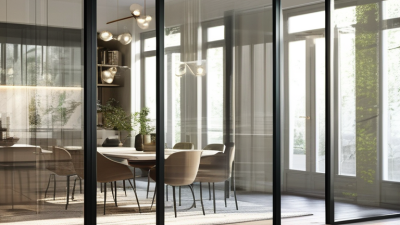
What Are the Best Office Glass Cubicles?
How to Compare Glass Cubicle Designs for Different Workspaces
The best glass cubicle depends on the work, not only on appearance. Start by measuring desk depth, circulation space, and natural light. A compact office may suit half-height glass panels, while a management suite may need full-height partitions. Record these dimensions before reviewing drawings. Small errors become expensive during installation.
Compare glass thickness, frame strength, door movement, and acoustic performance. Laminated glass can reduce sound transfer more effectively than basic single glazing. For private calls, consider solid sections, acoustic seals, or patterned films at eye level. Clear glass feels open, but it may expose screens and create distractions. Frosted bands offer privacy without blocking daylight. They can also collect fingerprints.
Lighting deserves practical testing. Sit inside the proposed cubicle at different times of day. Reflections may appear on monitors, especially beside west-facing windows. I once preferred a fully transparent layout, but glare changed the decision. It looked clean in a rendering and worked poorly at a desk. That mistake was useful.
Check ventilation paths, power access, cleaning requirements, and future reconfiguration. A fixed system may feel stable, yet movable panels can support changing teams. Confirm fire safety, accessibility, and local building requirements with qualified professionals. Low cost is not always good value. Thin frames, weak seals, or difficult replacement parts may increase long-term maintenance. Consider how the space will sound, age, and adapt.
The best office glass cubicles balance strength, light, and everyday comfort. Tempered glass resists ordinary impacts and breaks into smaller pieces. Laminated glass holds together after cracking, which can improve protection near busy walkways. Choose polished edges, stable frames, and doors with controlled closing. In office reviews, I check floor connections carefully. Small installation errors can create annoying movement later. Acoustic performance also matters. Thin glass may look refined but transmit conversations easily. Ask for tested sound ratings, not vague promises.
Safety depends on more than the glass itself. Suppliers should provide thickness data, impact testing, load information, and installation guidance. Local building, fire, accessibility, and workplace requirements must also be checked by qualified professionals. Clear visibility markings can reduce collisions near doorways. They seem minor. They are not. I would question any design that hides hinges, creates sharp corners, or blocks emergency movement. A beautiful partition still fails if employees cannot use it safely.
Privacy options should match the room’s purpose. Frosted bands protect screens while preserving daylight. Full frosting suits consultation rooms but may make small spaces feel closed. Blinds offer adjustable control, although they collect dust and need maintenance. Switchable privacy glass is flexible, yet its controls and long-term reliability deserve careful review. Solid lower panels can shield desks from passing eyes. They may reduce visual openness. Acoustic seals, soft surfaces, and thoughtful furniture placement can further limit speech leakage. Glass does not create privacy by itself.
The best office glass cubicles should match privacy needs, available space, and daily work habits. Clear glass supports natural light and makes small offices feel larger. Frosted sections offer better visual privacy without creating a closed atmosphere. For phone-heavy teams, partial frosting may prevent distractions while preserving openness.
Budget matters beyond the glass itself. Measure floor space carefully, then include doors, frames, hardware, installation, and future repairs. Tempered or laminated glass can improve safety and durability, but the right choice depends on the building and local requirements. A professional installer should confirm wall conditions, measurements, and access routes before fabrication. Small errors can become expensive.
Tips: Compare complete quotations, not only glass prices. Test privacy at desk height. Check glare near windows. Ask how damaged panels are replaced. I once preferred fully clear partitions, but reflections made screen work uncomfortable. That choice needed reconsideration. Also, acoustic performance is often weaker than expected. Add sound-absorbing ceilings, carpets, or panels when confidential conversations matter. Choose practical finishes, inspect samples under office lighting, and leave enough space for comfortable movement.
Office glass cubicles perform well when installation begins with a measured plan. Confirm floor levels, ceiling heights, door swings, and electrical routes before ordering panels. A few millimeters matter. Use tempered or laminated safety glass suited to the room and local code requirements. Frames should anchor into structural points, not decorative ceiling grids. Experienced installers check plumb lines and joint pressure twice. Poor alignment can cause rattling doors, uneven seals, and visible stress. Acoustic goals also need honest testing. Glass may reduce speech noise, but it will not make a room silent.
Maintenance is simple, but neglect becomes expensive. Clean glass with a soft cloth and non-abrasive solution. Remove grit before wiping. Inspect hinges, handles, seals, and fasteners every few months. A loose hinge can slowly damage the door edge. Replace cracked seals promptly, especially near busy corridors. Keep floor channels clear of dust and paper clips. Avoid drilling into panels for last-minute accessories. That shortcut may weaken the system and conflict with installation guidance. Record repairs, dates, and recurring faults.
Tips: Schedule a professional inspection yearly. Ask for checks on torque, alignment, glass condition, and acoustic seals. Keep spare seals and approved hardware nearby. Test emergency access after layout changes. Some teams skip this because nothing looks wrong. That is the mistake. Long-term performance depends on ventilation, humidity, traffic, cleaning habits, and furniture moves. Review the installation after six months. Real use often exposes assumptions that drawings miss.
Typical planning benchmarks for a 100 m² office glass-partition project. Actual results vary with layout, access conditions, hardware, and local maintenance practices.
Framed systems generally require more installation time and routine maintenance but can provide stronger long-term adaptability. Frameless tempered-glass systems offer a clean appearance with moderate installation and maintenance demands, while demountable systems are often faster to install and easier to reconfigure when office layouts change.