In modern architecture, "Floor To Ceiling Glass" plays a pivotal role. Renowned architect John Smith emphasizes this by stating, "Using floor-to-ceiling glass transforms spaces, inviting the outside in while maximizing natural light." This innovative design choice offers numerous benefits that are becoming increasingly essential.
Floor-to-ceiling glass not only enhances aesthetics but also improves energy efficiency. Large glass panels connect indoor and outdoor environments, creating an illusion of expanded space. Homeowners and architects alike praise its ability to create bright, airy interiors. However, these benefits come with challenges. For example, thermal performance and privacy concerns can arise with extensive glass surfaces.
Ultimately, incorporating floor-to-ceiling glass requires thoughtful consideration. Experts in the field stress the importance of balancing transparency with functionality. As we explore the top benefits, recognizing the trade-offs is essential in embracing this modern architectural trend.
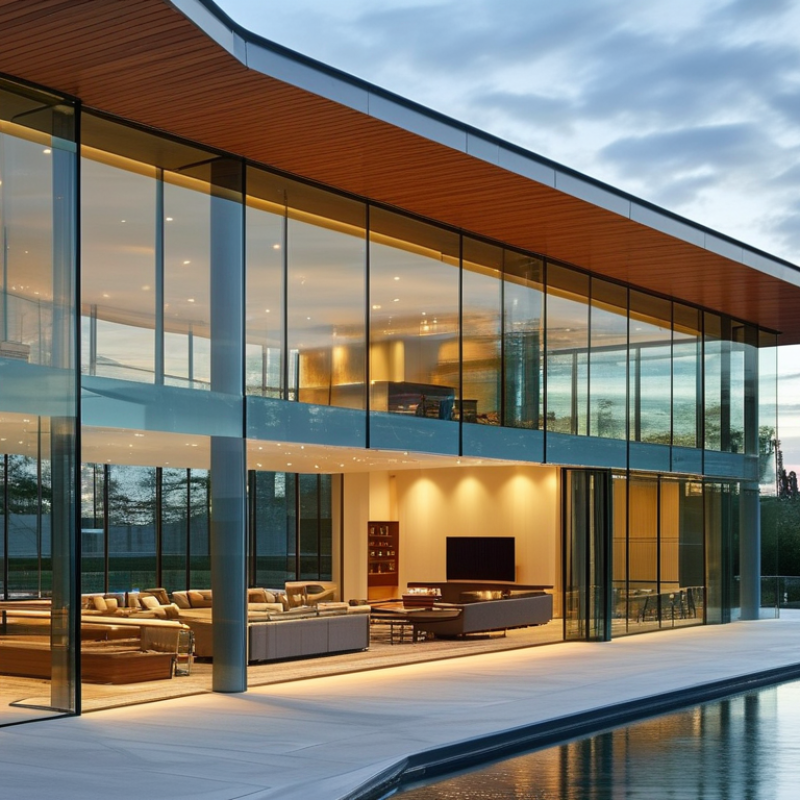
Floor-to-ceiling glass has transformed modern architecture, especially in maximizing natural light. Expansive glass panels flood interiors with sunlight. This creates an inviting ambiance and enhances mood. Spaces feel larger and more open, reducing feelings of confinement. The warmth of natural light can even boost productivity in offices and homes.
However, while natural light offers numerous benefits, it can also present challenges. Rooms may overheat during peak sun hours. This can lead to discomfort and the need for shades or blinds. Moreover, glare from direct sunlight can hinder visibility on screens and surfaces. Designers must balance light and temperature. They must consider energy efficiency too. The use of smart glass technologies can help manage heat and light without sacrificing the aesthetic appeal.
Incorporating floor-to-ceiling glass requires careful planning. Architects must understand the local climate and building orientation. The right placement can minimize overheating and maximize light. While it offers breathtaking views and richness to spaces, it's crucial to remain mindful of potential drawbacks. Thoughtful design can enhance the beauty and functionality of these dazzling spaces.
| Benefit | Description | Impact on Space |
|---|---|---|
| Maximizes Natural Light | Allows abundant sunlight to illuminate interiors, reducing the need for artificial lighting. | Creates a bright, inviting atmosphere. |
| Enhances Views | Offers unobstructed views of the outdoors, connecting interiors with nature. | Increases overall aesthetic appeal and enjoyment of the space. |
| Improves Energy Efficiency | Can reduce heating and cooling costs due to passive solar heating and natural ventilation. | Contributes to lower utility bills and sustainability. |
| Promotes Open Design | Encourages open floor plans, making spaces feel larger and more accessible. | Fosters social interaction and flow between areas. |
| Boosts Property Value | Modern architectural features like floor-to-ceiling glass can enhance market value. | Appeals to prospective buyers and investors. |
| Creates Barrier-Free Environments | Eliminates the visual barriers, creating seamless transitions between the indoors and outdoors. | Enhances user experience and space usability. |
| Increases Natural Airflow | Facilitates natural ventilation through strategically placed openings. | Improves indoor air quality and comfort. |
| Enhances Daylight Availability | Ensures ample daylight reaches all corners of a room. | Reduces reliance on artificial lighting. |
| Creates Unique Aesthetic | Offers a sleek, modern look that stands out in contemporary design. | Adds character and style to any architectural project. |
| Fosters Emotional Well-being | Natural light and views of nature can improve mental health and mood. | Creates a more pleasant living and working environment. |
Floor-to-ceiling glass has transformed modern architecture, enhancing aesthetic appeal and functionality. This design approach allows natural light to flood interiors, creating bright, welcoming spaces. According to a report by the American Institute of Architects, homes with ample natural light can increase perceived value by up to 15%. This data reflects growing consumer preference for light-filled environments.
Moreover, floor-to-ceiling glass blurs the line between indoors and outdoors. Viewers can enjoy panoramic vistas from their living spaces. However, this design comes with challenges. High energy costs during heating and cooling seasons may arise. Proper insulation and window treatments can mitigate these issues. Architects must consider local climate when designing with large glass panels. Balancing beauty with practicality is essential in maximizing benefits while minimizing drawbacks.
Additionally, the transparency of glass can present privacy concerns. Thoughtful placement and design tweaks can address these issues. For instance, using textured or frosted glass in certain areas can provide seclusion while maintaining light flow. Each project presents unique contexts that require careful reflection and planning. Emphasizing both aesthetics and functionality is key for achieving lasting architectural designs.
Floor to ceiling glass has transformed modern architecture. These expansive glass facades provide stunning views and ample natural light. However, their integration into buildings requires careful consideration of energy efficiency. Modern glazing technologies address these concerns in innovative ways.
One of the key advantages of these technologies is improved insulation. Double or triple glazing significantly reduces heat transfer. This keeps interiors comfortable year-round. High-performance coatings can minimize heat gain during summer. However, choosing the right type of glass can be challenging. Decisions must balance aesthetics, functionality, and energy-saving capabilities.
Moreover, smart glazing solutions can adapt to environmental changes. For instance, electrochromic glass can tint itself based on sunlight exposure. This not only enhances comfort but also minimizes energy consumption. Property owners must evaluate the long-term benefits against the initial investment. Reflecting on these factors can lead to more sustainable and efficient designs.
Floor-to-ceiling glass is becoming a staple in modern architecture. It dramatically changes how we perceive spaces. By letting more light in, it creates a sense of openness. The effect is immediate when you enter a room filled with natural light. Dark corners are eliminated, and areas feel larger. This approach allows for a seamless connection between indoor and outdoor environments.
In addition to light, the panoramic views provided by large glass panels are captivating. Residents can enjoy the changing seasons without stepping outside. The surrounding landscape becomes part of the interior. However, this design choice comes with challenges. Privacy can be compromised, especially in urban settings. Not everyone is comfortable with such visibility. This can lead to feelings of exposure in once private spaces.
Energy efficiency is another consideration. While glass can amplify natural light, it can also increase heating and cooling costs if not chosen wisely. Investing in insulated glass can mitigate these issues. Yet, it requires a balance between aesthetics and practicality. As with any architectural choice, careful thought should go into the use of floor-to-ceiling glass. The results can be stunning, but they might not suit every need.
Floor-to-ceiling glass seamlessly blends indoor and outdoor spaces. This design choice enhances natural light and creates an airy atmosphere. Imagine sitting in a living room where sunlight floods in, blurring the line between inside and out. This connection to nature promotes a sense of calm and relaxation.
However, the beauty of this design comes with challenges. Maintaining privacy can be difficult, especially in urban areas. Additionally, energy efficiency may become a concern in extreme climates. Homeowners may struggle with heat during the summer or cold drafts in winter months. Thoughtful planning and smart technology can help address these issues.
The stunning views provided by large glass panels are undeniable. They invite the outside world in, making spaces feel larger. Imagine gazing out at a garden or a serene lake right from your sofa. This enhances the living experience, creating a peaceful refuge. Yet, it is essential to consider the balance between aesthetics and functionality in modern architecture.