What is Switchable Privacy Glass and its Applications?
Switchable Privacy Glass is an innovative material that transforms how we think about privacy and transparency. It offers a unique solution for homes, offices, and public spaces. When activated, this glass changes from clear to opaque, providing instant privacy with the flick of a switch. The technology behind Switchable Privacy Glass relies on liquid crystal technology, offering both versatility and style.
Beyond aesthetics, the applications of Switchable Privacy Glass are diverse. In modern office settings, it can create adaptable meeting rooms, ensuring confidentiality during discussions. Residential buildings benefit from enhanced privacy in bathrooms and bedrooms. Additionally, this glass can offer safety measures in hospitals, where patient privacy is paramount. However, its cost can be a barrier for some potential users.
While the benefits are clear, there are limitations to consider. Energy consumption during operation and potential durability concerns are points of reflection. As with any emerging technology, careful thought must accompany implementation. This material holds great promise, but users should weigh its advantages and challenges before integration.
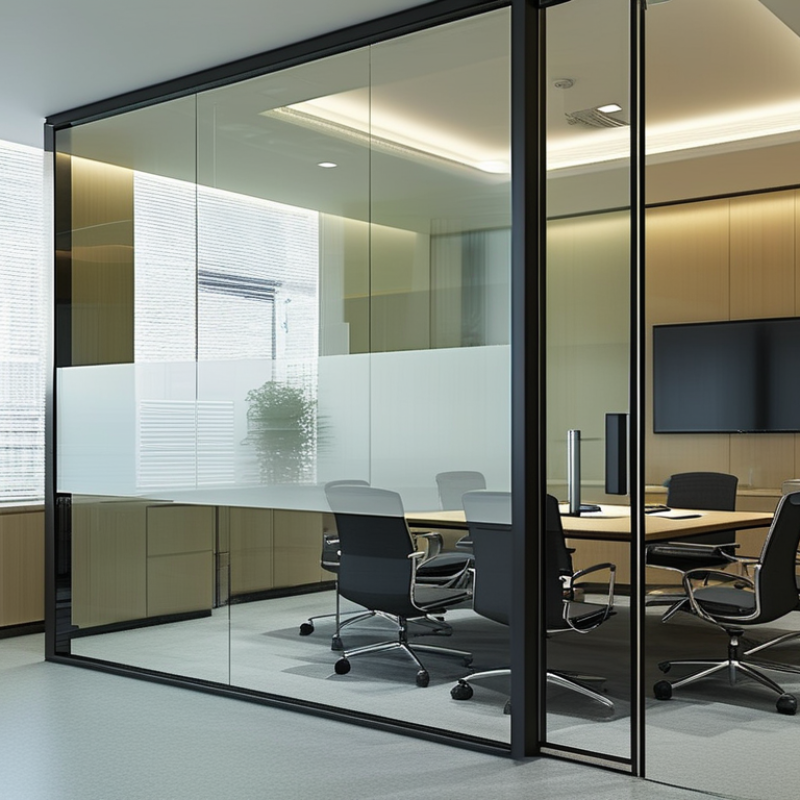
What is Switchable Privacy Glass?
Switchable privacy glass is an innovative technology that allows users to control their visual privacy at the touch of a button. This glass can transition from transparent to opaque, providing privacy on demand. It uses materials like liquid crystals or electrochromic films, which respond to electric currents. This technology has gained traction in both residential and commercial spaces.
Recent industry reports suggest that the market for switchable privacy glass is expected to grow by 20% annually over the next five years. Many architects and designers note its advantages in office settings. An open office might seem collaborative, but employees often need private spaces for meetings or focused work. Switchable privacy glass can help address this need without compromising aesthetics.
Choosing the right type of switchable glass is crucial. Different technologies offer varying degrees of privacy and transparency. Users should consider energy efficiency, installation costs, and long-term maintenance. Transparency in these factors is vital for making informed decisions. Reflecting on how privacy needs evolve in different spaces can influence choices as well.
The Technology Behind Switchable Privacy Glass
Switchable privacy glass is an innovative material that changes its transparency. This technology allows users to control visibility in a space. Imagine a conference room that shifts from clear to frosted at the touch of a button. This transformation enhances privacy, making it ideal for meetings.
The technology relies on liquid crystal or polymer dispersed liquid crystal (PDLC) technology. When an electrical current is applied, the glass transitions from opaque to transparent. Without power, it returns to its frosted state. This process showcases both elegance and functionality. It offers a unique approach to privacy compared to traditional window coverings.
However, the technology is not without its challenges. Power dependence can be a concern in certain applications. Additionally, the cost of installation may be higher than conventional glass. These factors warrant consideration when choosing switchable privacy glass for specific needs. Its potential applications in offices, homes, and vehicles reveal a promising future, yet users must weigh practicalities.
Applications of Switchable Privacy Glass
Key Benefits of Using Switchable Privacy Glass in Architecture
Switchable privacy glass is becoming popular in modern architecture. Its ability to change transparency adds versatility to spaces. This technology can enhance privacy while allowing natural light. Architects and designers appreciate its aesthetic and functional benefits.
One major benefit of switchable privacy glass is flexibility. Users can switch from clear to opaque with a simple command. This control allows for privacy during meetings or intimate gatherings. It can transform conference rooms into private spaces instantly. The glass is also energy-efficient, helping maintain comfortable temperatures and reducing reliance on artificial lighting.
When considering switchable privacy glass, think about installation. It may require specialized expertise. Ensure that the installation aligns with your design vision. Keep maintenance in mind as well. Regular cleaning ensures that the glass remains functional and visually appealing. With its applications in offices, homes, and public spaces, this technology offers a unique solution for contemporary needs.
Applications of Switchable Privacy Glass in Automotive Industry
Switchable privacy glass is transforming the automotive industry. This innovative glass can change from transparent to opaque with the push of a button. This technology offers drivers and passengers flexibility in maintaining their privacy. It enhances vehicle aesthetics and functions as a sunshade. Many auto manufacturers are exploring its advantages.
In luxury vehicles, switchable privacy glass can block UV rays and excessive heat. This helps maintain a comfortable interior during sunny days. Moreover, it can protect against prying eyes, ensuring passengers' confidentiality. This becomes especially useful during sensitive discussions or during long trips.
When considering switchable privacy glass, keep in mind potential installation challenges. The integration with existing vehicle technologies might not always be seamless. Some users may also find that the response time for the glass changing states is slower than expected. Evaluating available options and consulting with experts will help make informed choices. The technology is promising but requires thorough understanding for optimal use.
Market Growth and Future Trends for Switchable Privacy Glass Technology
Switchable privacy glass technology has seen significant growth in recent years. This innovation allows users to control visibility with a simple switch. It's commonly used in offices and homes, enhancing privacy while adding a modern touch. As awareness increases, more industries are investing in this technology.
Future trends indicate a rise in applications for switchable glass. The automotive industry is exploring its potential for privacy in vehicles. Smart homes are also integrating this technology to create adaptable environments. The need for sustainable solutions adds pressure on producers to innovate further.
However, challenges persist. The initial costs can be high, raising concerns for some consumers. There’s also the question of durability and maintenance. As technology evolves, these issues need addressing. Ongoing research can lead to improved versions that are more accessible, reliable, and cost-effective.
What is Switchable Privacy Glass and its Applications? - Market Growth and Future Trends for Switchable Privacy Glass Technology
| Application Area |
Market Share (%) |
Growth Rate (CAGR %) |
Key Benefits |
| Residential Buildings |
30 |
10 |
Privacy, Energy Efficiency |
| Commercial Spaces |
25 |
12 |
Flexibility, Modern Aesthetics |
| Automotive |
20 |
15 |
Enhanced Privacy, Smart Technology Integration |
| Healthcare Facilities |
15 |
9 |
Patient Privacy, Infection Control |
| Aviation |
10 |
8 |
Passenger Comfort, Dynamic Lighting Control |
| Education |
5 |
7 |
Collaborative Spaces, Sound Control |